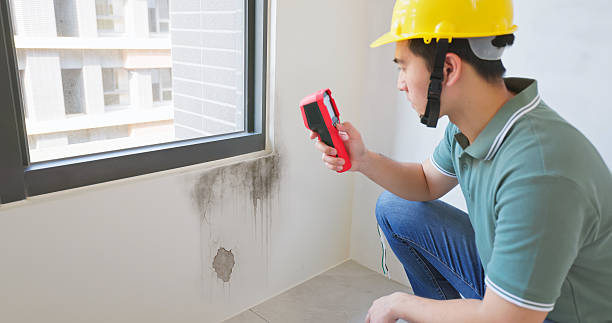
Chicago homeowners need to pay close attention to moisture during humid weather because excess moisture can create ideal conditions for mold growth. A professional mold inspection can help identify moisture-related concerns before they become more serious, while regular property maintenance can prevent many problems from developing in the first place. The same moisture concerns are also important for larger buildings, where a commercial property inspection can help uncover issues involving leaks, ventilation, and water intrusion.
One of the most effective ways to prevent mold is to maintain appropriate indoor humidity levels. During humid weather, moisture from outdoor air can enter through windows, doors, ventilation systems, and small gaps around the building.
Using a dehumidifier can help remove excess moisture from the air, especially in basements, laundry rooms, and other areas that naturally tend to be damp. Homeowners should also monitor humidity with an inexpensive hygrometer. Keeping indoor humidity at a moderate level can significantly reduce the conditions that allow mold to thrive.
Air conditioning can also help control moisture while keeping the home comfortable. Make sure your HVAC system is properly maintained so it can efficiently manage both temperature and humidity.
Poor ventilation is another common contributor to mold growth. Bathrooms, kitchens, basements, and laundry rooms produce significant amounts of moisture during normal household activities.
Run exhaust fans when showering or cooking, and allow them to continue operating for some time afterward. If your bathroom does not have adequate ventilation, consider improving the exhaust system.
Homeowners should also avoid blocking air vents or placing furniture directly against exterior walls where air circulation is limited. Better airflow helps damp areas dry faster and reduces the likelihood of condensation.
A small plumbing leak may seem insignificant, but even a slow and persistent source of moisture can create an environment where mold develops. Regularly inspect areas underneath sinks, around toilets, near water heaters, and around washing machines for signs of leaks.
Chicago homeowners should also pay attention to their roofs, gutters, windows, and foundations. Water entering through damaged roofing materials, clogged gutters, or cracks around the foundation can eventually create hidden moisture problems. Drainage issues or damaged sewer lines can also contribute to moisture concerns, making a sewer inspection worth considering when there are recurring drainage problems, sewage odors, or unexplained wet areas.
If you notice water stains, peeling paint, warped flooring, musty odors, or recurring dampness, investigate the source promptly instead of simply cleaning the visible area.
Basements are particularly vulnerable to moisture because they are surrounded by soil and can experience condensation or water intrusion. During humid weather, basement air can become damp enough to encourage mold growth.
Keep basement areas well ventilated and use a dehumidifier when necessary. Avoid storing cardboard boxes directly on basement floors, especially if the area has experienced moisture problems. Plastic storage containers can provide better protection for important belongings.
If you notice persistent dampness or a musty smell even when there is no obvious leak, the problem may be hidden behind walls, under flooring, or in other difficult-to-access areas.
Accidental spills, plumbing problems, and heavy rain can introduce water into a home. The faster wet materials are dried, the less opportunity mold has to develop.
Dry carpets, furniture, flooring, and other affected materials as quickly as possible. If water has entered drywall or insulation, simply drying the surface may not be enough. Porous materials can retain moisture internally, creating conditions for hidden mold growth.
For significant water damage, homeowners should consider professional evaluation to determine whether moisture has spread into concealed areas.
Mold does not always appear as obvious black or green spots. Early warning signs can include persistent musty odors, discoloration, bubbling paint, peeling wallpaper, or unexplained staining.
If these signs continue despite cleaning and improving ventilation, a professional mold inspection may help identify the source of the problem. An inspection can be particularly useful when mold is suspected in areas that cannot be easily accessed or when moisture keeps returning.
Homeowners should also remember that cleaning visible mold without addressing the underlying moisture source may only provide a temporary solution.
Preventive maintenance is an important part of protecting any Chicago property during humid weather. Homeowners should regularly inspect plumbing, roofing, gutters, HVAC equipment, windows, and foundations for conditions that could introduce moisture.
These precautions are also relevant to larger buildings. Owners and managers of commercial properties should pay close attention to moisture intrusion, ventilation, plumbing systems, and other building components. A professional commercial property inspection can help identify maintenance concerns that may contribute to water damage and other costly problems over time.
Chicago's humid weather can make mold prevention challenging, but homeowners can reduce the risk by controlling indoor humidity, improving ventilation, fixing leaks, and responding quickly to water damage. Regular property maintenance is one of the best ways to identify moisture problems before they develop into more serious issues.
When persistent odors, visible growth, water damage, or unexplained moisture appears, professional evaluation can provide a clearer understanding of what is happening. Taking action early can help protect the property, prevent further damage, and reduce the likelihood of a much more expensive mold problem later.

This post has been authored and published by one of our premium contributors, who are experts in their fields. They bring high-quality, well-researched content that adds significant value to our platform.


Your go-to source for news, lifestyle, culture, tech, and more. Fresh updates daily, stay informed always.
Email: contact@thedailylondon.com