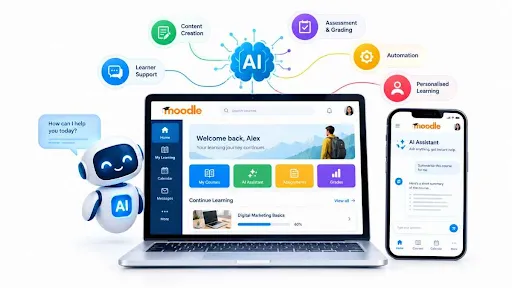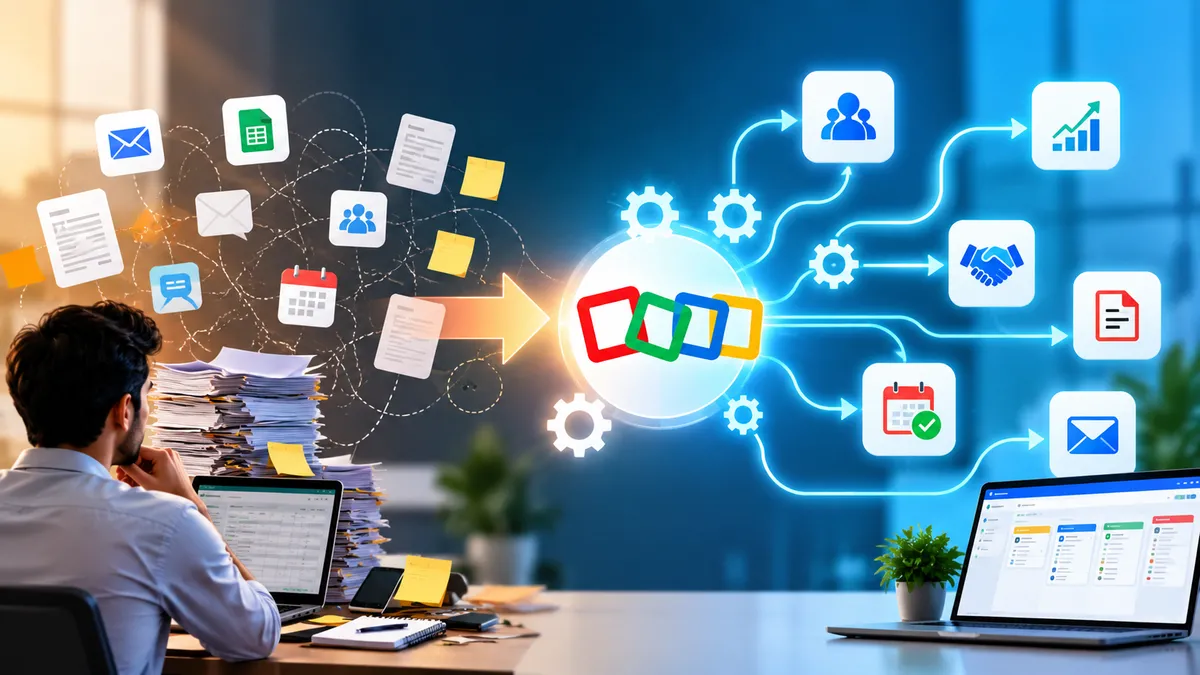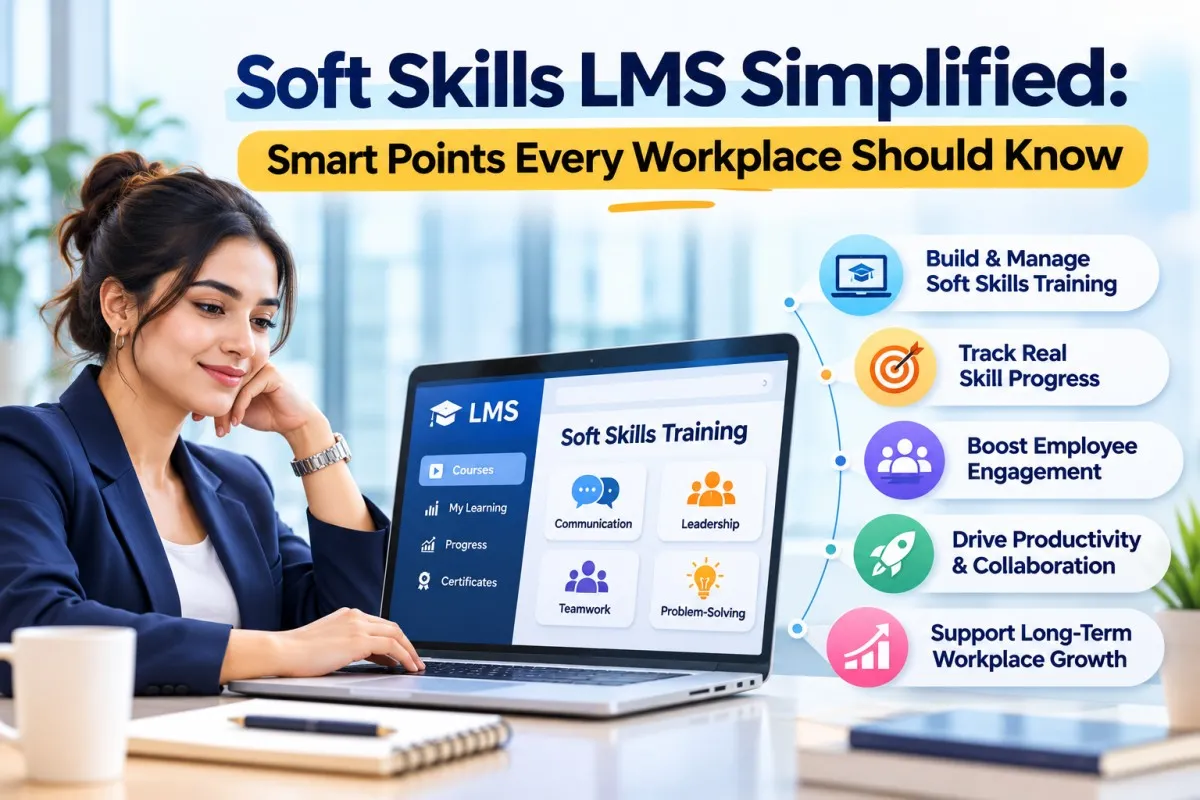
While technical skills can help you get the job, soft skills can help you to get the next promotion. Communication, and empathy, along with teamwork impact our daily lives in every aspect of what we do, how we do it, in addition to how we interact with others. But, there are still many organisations that do not know how to impart these skills clearly as well as consistently. This is where a soft skills LMS can help. It combines teaching, learning and monitoring in one place. In this article, you'll cover some essential points to understand its operation and importance.
The world of work is dynamic and the skills of the job are not all that it takes anymore. Employers are seeking employees with the ability to accept input, settle disputes and work well as part of a team. A soft skills LMS can tackle this need by systematically training all employees at the office or from home. Avoids the cost and scheduling issues of multiple classroom sessions. It also guarantees that all staff get access to good quality lessons, thus raising the sense of fairness and trust. A business that takes the time to invest in these skills will generally notice a more relaxed conference, better business relationships alongside far improved customer interactions in total.
Not every learning system is the same, so it is helpful to know what's important. Look for brief, interesting classes that use films, and tales, along with real-world situations. Interactive tools such as role play exercises, quizzes and discussion boards allow students to practise their learning. Progress and outcomes should be visible and unambiguous in a clear dashboard. People may learn while on the go or during breaks thanks to mobile access. Reporting helps managers to identify skill gaps early in addition to feedback options to help students express their ideas. Last but not least, ease of navigation is essential; if it's not easy to use, then all the good content will fall on deaf ears.
Selecting the appropriate subjects helps to keep learning relevant and focused. Communication usually is key, because it helps with virtually all tasks. Emotional intelligence is the next one which helps people to be composed, understand other people and act responsibly. Cooperation and flexibility are also key in dynamic situations. By employing time management and problem solving competencies, employees can stay organized and confident in stressful situations. For those who are moving up to senior roles, leadership along with decision-making needs to be taken into account.
Training only matters when it creates visible change. Start by setting clear goals, such as better teamwork scores, fewer misunderstandings along with improved customer feedback. Then use the reports inside the system to track completion rates, assessment scores and learner feedback. Observation also plays a big role, since managers can notice changes in behaviour during daily work. Check progress at regular intervals along with adjusting the course plan when needed. Remember that soft skills grow slowly, so patience is important.
A soft skills training LMS is not just a teaching instrument, it can be a helpful instrument to create competent, respectful and confident persons. When wisely chosen and used with a clear purpose, it can boost communication and teamwork, and foster a healthier work environment. Start small, be consistent and keep learning relevant. Such behaviours can make a difference in long-term development to people and institutions.

This post has been authored and published by one of our premium contributors, who are experts in their fields. They bring high-quality, well-researched content that adds significant value to our platform.


Your go-to source for news, lifestyle, culture, tech, and more. Fresh updates daily, stay informed always.
Email: contact@thedailylondon.com