Practical back to school tips for parents connect sleep, morning preparation, transport and collection into one workable routine. Start with your own school's current dates, timings and requirements. Involve children in manageable tasks, from opening lunchboxes to organising subject materials, while adults remain responsible for care arrangements and important decisions.
Confirm the first attendance day, orientation, arrival window, dismissal and variations between days. Check instructions for the actual year group: new starters and returning pupils may receive different arrangements. Mark unanswered questions for confirmation rather than borrowing another family's timetable.
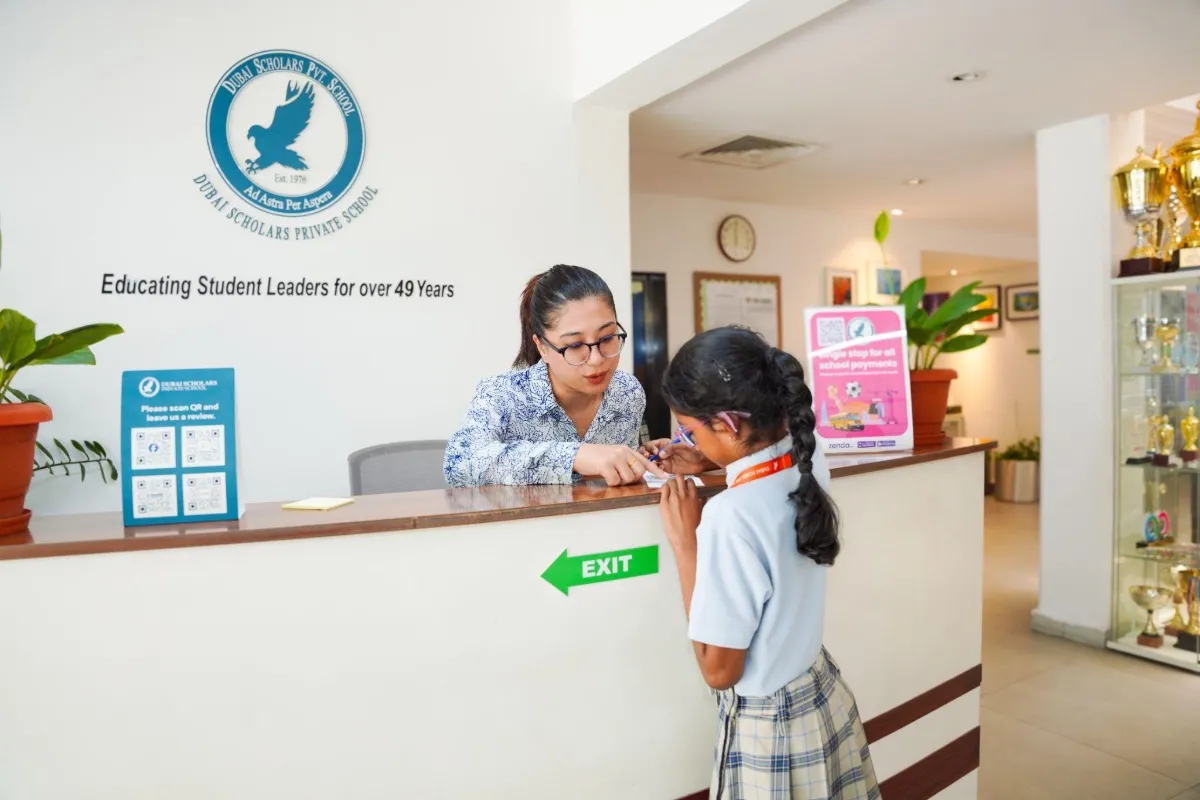
Families attending Dubai Scholars Private School may be preparing for stages across its British curriculum, from EYFS to Year 13 as described by SIG. Check the relevant stage instructions; a first classroom transition differs from managing subject teachers and examination coursework.
Put dates, collection, activities and deadlines in a shared calendar. Assign an adult to monitor official messages and update caregivers. Before shopping, compare requirements with existing supplies, checking uniform, shoe fit and device specifications, then label suitable belongings as instructed.
Among the most useful back to school tips for parents is adjusting bedtime and waking gradually before term begins. Keep familiar wind-down routines and prepare clothes, bags and breakfast arrangements. American Academy of Pediatrics guidance supports consistent sleep and reducing device use before bedtime.
Agree screen time expectations before the first school night: when entertainment stops, where devices stay and how digital homework is handled. Distinguishing assignments from gaming makes the arrangement clearer.
Rehearse a normal morning, working backwards from departure. Include breakfast, dressing, care routines and travel to pickup. Adjust steps that take longer than expected rather than demanding daily rushing. Use pictures for younger children or a written checklist for older pupils.
Confirm routes, pickup points, timings and contact details with the provider. Explain boarding rules and whom children approach for help. Drivers should practise the school's drop-off and collection procedure, including arrangements after activities.
Effective back to school tips for parents include planning what happens when collection changes. Record what changed, who needs informing and who is authorised to act. A delayed collector should contact the school through its agreed channel and follow its alternative-collector procedure.
Children should remain with appropriate staff until arrangements are confirmed. Keep contacts accessible to caregivers and explain the child's role simply. A young child should not negotiate a changed plan. Confirm how transport delays, early collections and timetable changes are communicated.
In hot weather, check waiting areas, drinking water and outdoor activity arrangements. Ask what children should bring and where to seek help if unwell. Follow current school guidance rather than assuming a general checklist describes local policy.
Check emergency contacts and health records. Sheikh Shakhbout Medical City's guidance recommends completing health forms and preparing an allergy emergency plan with the child's paediatrician where needed. Agree medication or care arrangements with the school health team before attendance.
Health-related back to school tips for parents are useful only when responsible staff know what to do. Confirm how relevant information reaches them, how medicines are handled and what happens during transport or activities. Share sensitive details through appropriate school channels.
If learning or pastoral support is already in place, confirm continuity in the new class. Agree a contact for concerns and involve older children where appropriate so they understand how to request help.
Create a usable homework space with basic materials and storage for unfinished work. Allow time for food, rest and conversation after school, then review the proposed homework period once the actual workload is clear.
Start encouraging children to read through short sessions and choices reflecting their interests. Stories, comics and nonfiction can support the routine. Ask teachers about school expectations instead of treating every book as an additional assessment.
Practise independence: younger children can locate belongings and open containers; older students can organise planners and check assignments. Provide help without taking over. Leave the first weeks relatively free of new commitments until the school routine is manageable.
Ask what feels exciting or uncertain. Address a concrete worry, such as finding a classroom or managing lunch, with a visit, map or teacher conversation. Specific preparation is more useful than repeatedly promising everything will be fine.
A parent teacher meeting helps compare home and school observations. Bring a few examples and questions, agree the next action and its owner, and set a review date. An unusually lengthy homework task is more informative than a general complaint.
Ask about the whole school day before drawing conclusions from a difficult morning. If distress is intense, persists or interferes with ordinary life, contact the school and a qualified health professional. Report safety concerns or suspected bullying promptly through school procedures. Ensure your child can name a trusted adult at school for help.
The strongest back to school tips for parents remain useful after day one. Review mornings, transport, meals, water, rest and schoolwork with your child. Ask what worked and which part remains difficult before choosing changes.
Make one or two adjustments and inform everyone involved. Evening bag preparation or a clarified collection detail may solve a recurring problem. Continue checking official messages and revisit arrangements as the family's actual workload becomes clearer.

This post has been authored and published by one of our premium contributors, who are experts in their fields. They bring high-quality, well-researched content that adds significant value to our platform.


Your go-to source for news, lifestyle, culture, tech, and more. Fresh updates daily, stay informed always.
Email: contact@thedailylondon.com