Welding machines are essential equipment in Pakistani workshops, fabrication units, construction projects, automobile repair shops, and manufacturing businesses. When a welding machine suddenly stops working or produces poor results, it can slow down work and lead to unnecessary expenses.
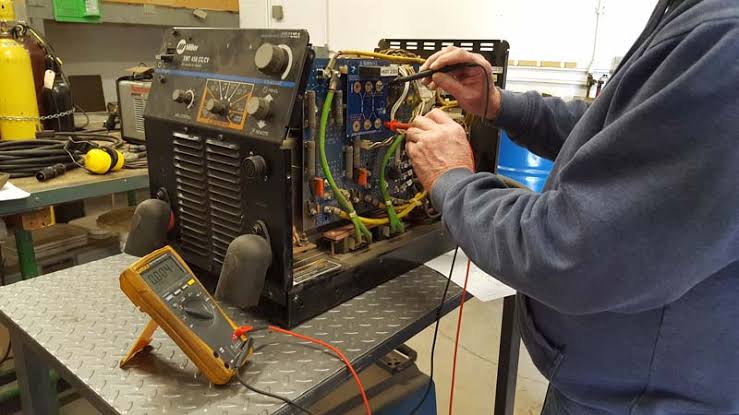
Fortunately, many common welding machine problems can be identified through basic troubleshooting. Checking the power supply, cables, connections, settings, and cooling system can often help determine what is causing the issue. However, internal electrical faults should always be handled by a qualified professional.
Here are some common welding machine problems and the steps you can take to troubleshoot them.
If the welding machine does not switch on, start by checking the power supply. Make sure the machine is properly connected to a suitable electrical outlet and that the outlet itself is working.
Next, inspect the power cable and plug for visible damage. A damaged cable or loose connection can prevent the machine from receiving power.
If the power supply and cable appear normal but the machine still does not turn on, the problem may be related to an internal fuse, switch, circuit board, or another electrical component.
Avoid opening the machine unless you have the necessary technical knowledge. Internal components can be dangerous even when the machine is not actively welding.
A machine that powers on but does not create an arc can have several possible causes.
First, check the welding cables and make sure they are properly connected. Inspect the electrode holder or welding torch and ensure that the work clamp has a secure connection with the workpiece.
The electrode should also be suitable for the welding process and in good condition. If the electrode is damaged or incorrectly installed, it may affect arc formation.
Check the machine's current settings as well. If everything appears correct but there is still no arc, the machine may have an internal fault that requires professional diagnosis.
An unstable arc can make it difficult to produce a clean and strong weld. It may also result in excessive spatter and inconsistent welding.
Begin by checking the welding current and making sure it matches the electrode and material being used. Also inspect the work clamp and cable connections.
The condition of the metal can make a difference too. Rust, paint, oil, and dirt on the welding surface can interfere with the electrical connection.
If cleaning the workpiece and checking the settings do not solve the problem, inspect the cables and connectors. Persistent arc instability may indicate an internal problem with the welding machine.
Some heat is normal when operating a welding machine, particularly during long welding sessions. However, excessive heat can indicate a problem.
Start by checking whether the ventilation openings are blocked by dust or debris. Make sure there is enough space around the machine for air to circulate.
The machine may also be operating beyond its recommended duty cycle. If it has been used continuously for a long period, switch it off and allow it to cool.
Pakistani workshops can become particularly hot during summer. Using a welding machine in a poorly ventilated area can make overheating more likely.
If the machine continues to overheat during normal operation, its cooling fan or another internal component may require inspection.
A welding machine that repeatedly trips the circuit breaker should not be ignored.
First, check whether the machine is connected to a suitable electrical supply. An unsuitable circuit, damaged cable, or overloaded connection can cause the breaker to trip.
If the breaker trips immediately every time the machine is switched on, there may be an electrical fault inside the equipment.
Do not repeatedly reset the breaker and continue welding. Disconnect the machine and have the electrical system checked by a qualified technician.
Weak welding current can result in poor penetration, an unstable arc, and weak welds.
Check the current setting on the machine first. Make sure it is appropriate for the electrode and material.
Next, inspect the welding cables, electrode holder, and work clamp. Loose or damaged connections can reduce current flow.
If you are using a long extension cable, make sure it is suitable for the machine's electrical requirements. An unsuitable extension cable can also contribute to performance problems.
If the machine still produces weak output after these checks, professional testing may be necessary.
Some spatter can occur during welding, but excessive spatter usually indicates that something needs attention.
Check the welding current and make sure the setting is appropriate for the electrode and material. Incorrect polarity can also affect welding performance depending on the welding process and equipment.
Dirty metal can contribute to poor results, so clean the surface before welding.
The welding technique and electrode condition should also be considered. If excessive spatter continues despite correct settings and technique, the machine may need further inspection.
If a machine suddenly stops while being used, overheating may be one of the causes. Many modern machines have thermal protection that automatically stops operation when the internal temperature becomes too high.
Allow the equipment to cool before attempting to use it again. Check the ventilation openings and make sure they are not blocked.
Also consider how long the machine has been operating and whether its duty cycle has been exceeded.
If shutdowns happen repeatedly during normal operation, there could be an electrical or cooling-system fault that needs professional attention.
Unusual sounds and burning smells are warning signs that should never be ignored.
A burning smell may indicate overheating insulation, damaged wiring, or a failing electrical component. Unusual buzzing, clicking, or other sounds can also indicate an internal problem.
Turn off the welding machine and disconnect it from the power supply when it is safe to do so.
Do not continue using the equipment simply because it still appears to operate. A small electrical problem can develop into a much more serious failure.
The cooling fan helps prevent the machine from overheating. If it stops working, the machine may become excessively hot during operation.
Check whether the fan is blocked by dust or debris and make sure nothing is preventing it from rotating.
If the fan does not operate despite a clean and unobstructed ventilation area, it may need to be repaired or replaced.
Because the fan is connected to the machine's electrical system, internal repairs should be carried out by someone with the appropriate technical expertise.
Troubleshooting should not only happen after a machine develops a fault. Regular maintenance can prevent many common problems from occurring in the first place.
Keep the machine clean and make sure its ventilation openings remain free of dust. Inspect welding cables and connectors regularly and replace damaged components.
Store the equipment in a dry location and protect it from excessive moisture. Avoid exposing the machine to unnecessary heat and follow the manufacturer's recommended duty cycle.
Using the correct welding settings and compatible accessories can also reduce stress on the equipment.
Basic troubleshooting can help identify simple issues, but some welding machine problems require professional attention.
You should consider professional assistance when the machine has an internal electrical fault, repeatedly overheats, produces no output, trips the electrical supply, makes unusual noises, produces smoke, or continues to malfunction after basic checks.
For Pakistani workshops and businesses that depend on welding equipment, a professional welding machines repairing service in pakistan can diagnose the underlying problem and determine whether the machine can be repaired safely.
Professional diagnosis is often preferable to replacing a machine without knowing what has actually gone wrong. A relatively small component failure may sometimes be enough to cause major performance problems.
Welding machines involve electricity and high temperatures, so safety should be a priority during troubleshooting.
Always switch off the machine before inspecting external connections and follow the manufacturer's safety instructions. Do not touch exposed electrical components or attempt unfamiliar internal repairs.
If there is smoke, a burning smell, exposed wiring, severe overheating, or another serious warning sign, stop using the equipment and seek professional assistance.
Troubleshooting a welding machine does not always require complicated equipment or technical knowledge. Checking the power supply, cables, connections, settings, ventilation, and duty cycle can help identify many common problems.
However, troubleshooting has its limits. Internal electrical faults should be diagnosed and repaired by qualified professionals rather than handled through trial and error.
For Pakistani workshops, where welding machines may operate for long hours in hot and dusty environments, regular maintenance is particularly important. By identifying problems early and taking appropriate action, users can improve machine reliability, reduce downtime, and extend the useful life of their equipment.

This post has been authored and published by one of our premium contributors, who are experts in their fields. They bring high-quality, well-researched content that adds significant value to our platform.


Your go-to source for news, lifestyle, culture, tech, and more. Fresh updates daily, stay informed always.
Email: contact@thedailylondon.com